

The vermouth it is an aromatized wine that boasts a centuries-old history. Born in Turin in 1786, was able to conquer the palates of important personalities of the time and of the Savoy court, before taking to the limelight in Europe and the whole world. Today, its recipe is appreciated during aperitif and after dinner and is the basis of important international cocktails: from the Americano to the Negroni.
Read more: Che cos’è il vermouth: storia, caratteristiche e tipologieThe story

We cannot talk about vermouth without talking about wines flavoured for medicinal purposes. If today the vermouth it is drunk for pure pleasure, at the time of Hippocrates and Ancient Rome absinthe wines were produced for pharmaceutical purposes. We have to wait until the end of the 18th century, and more precisely 1786, for vermouth to be appreciated also on the table, thanks to the recipe of Anthony Benedict Carpano. Turin immediately became a point of reference for vermouth: thanks to the availability of white wine, the basic ingredient of the recipe, a botanical garden, a pharmacy school and a University of confectioners and spirits founded in 1739. The popularity of the vermouth of Turin – there are also other interpretations of aromatized wine in the world – it grows in particular thanks to the appreciation of King Vittorio Amedeo III of Savoy, who ordered that it be brought to court instead of rosolio, to the publication in the second half of the 19th century of the book “New and Unique Complete Manual of the Distiller” and to participation in International Exhibitions (the old Expo) around Europe. In 1838 vermouth began to be exported abroad and in 1908 it reached the record figure of 9 million liters exported.

Discover it at the Vermouth Show.
The features
To make vermouth you need three ingredients: wine, herbs and spices and sugar. The wine used is almost always white and, in vermouth of Turin, must be of Italian origin. To produce vermouth, you can use different grape varieties, such as Moscato and Cortese. The important thing is that they have good acidity. The choice of herbs and spices reflects the personality of the producer: if in the vermouth of Turin the use of artemisia in the gentile or romano varieties is mandatory, you have the possibility to choose other aromatic herbs from a range of around fifty varieties, such as cloves, cinnamon, coriander, nutmeg and yarrow.
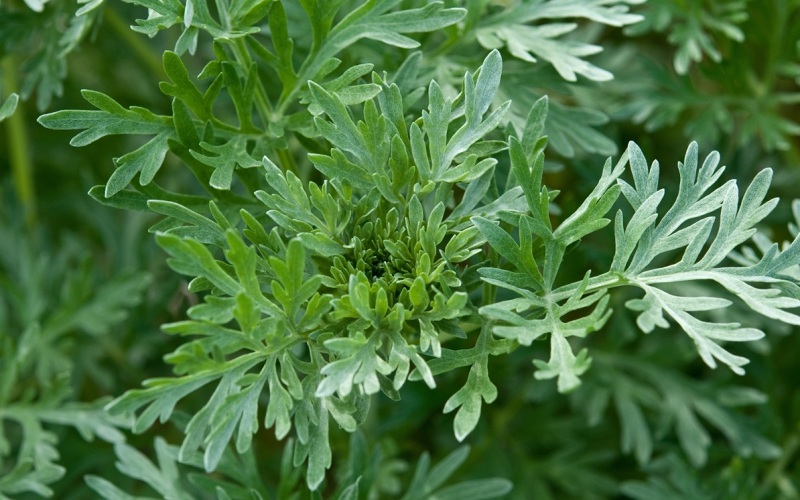
Each of these provides different aromas, more or less spicy and bitter. Sugar is another fundamental ingredient. In addition to providing sweetness, it also serves to calibrate the acidity of the wine and make drinking more pleasant.
The typologies
Today, the Vermouth di Torino is classified according to its sweetness and the presence or absence of caramel colouring in the recipe. According to these criteria, There are five types of vermouth: white, red, rosé, dry and extra dry. The white generally has floral and fruity notes, the red has spicy and bitter notes and is the only type to use caramel colouring, the rosé is a cross between white and red, and is also the only one in which mixing white and red wine is permitted, while the dry and extra dry are drier vermouths, with a more citrusy profile and linked to the Mediterranean scrub.

Based on the sweetness, we can talk about extra dry vermouth (< 30 g/L), dry (30-50 g/L) and Sweet (>= 130 g). In the vermouth of Turin, it is also worth mentioning the “Superiore” typology, with an alcohol content of no less than 17°, compared to the 16° of the non-Superiore vermouth of Turin and the 15.5° of the 'common' vermouth. The vermouth of Turin is produced with at least 20% of Piedmontese wine and no less than two aromatic herbs from Piedmont.